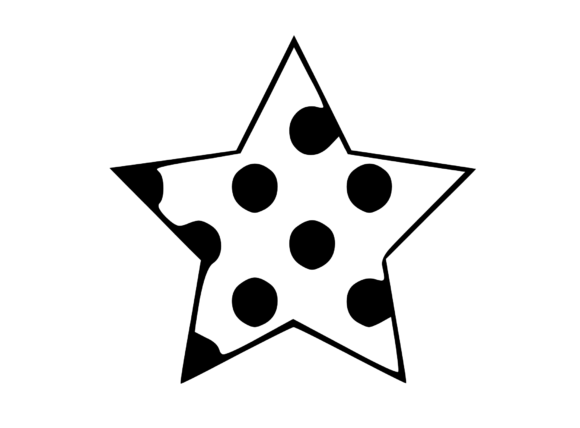
Spotty Star 3: A Bold Embroidery Design
As a designer with years of experience in embroidery and digital crafting, I’ve seen countless designs come and go. Spotty Star 3 stands out as a versatile and eye-catching option that can elevate a wide range of projects. Its unique combination of spots and stars creates a playful yet sophisticated look that feels modern and adaptable.
The First Impression
From the moment I opened the Spotty Star 3 file, I was struck by its clean lines and balanced composition. The design has a whimsical yet professional feel, making it suitable for both casual and more refined applications. The layout is well-structured, with enough detail to be visually engaging without being overwhelming. It’s a design that invites creativity while maintaining a sense of order.
The theme of Spotty Star 3 feels like a celebration of individuality. The mix of solid and outlined elements gives it a dynamic quality that can work on various surfaces and fabrics. Whether used as a standalone motif or part of a larger composition, it adds visual interest without clashing.
Real-Life Embroidery Use Cases
I tested Spotty Star 3 on several common embroidery projects, including a custom tote bag, a sweatshirt, and a baby onesie. On the tote bag, it looked bold and confident, perfect for a statement piece. On the sweatshirt, it added a touch of personality without being too busy. On the baby onesie, it was soft and charming, ideal for a personalized gift.
For an embroidered patch, the design held up well, with clear details that translated nicely into stitch work. The size was appropriate for a patch, and the spacing between elements allowed for easy placement on different fabric types. It also worked well on an apron, where the spots and stars created a fun, artistic flair.
One of the most impressive aspects of Spotty Star 3 is how it adapts to different styles. It can be used on a holiday-themed pillow cover, a boutique product, or even a commercial embroidery project. Its versatility makes it a valuable addition to any designer’s library.
Where to Use With Caution
While Spotty Star 3 is generally flexible, there are some situations where care is needed. On small hoop sizes, the design may require careful placement to avoid distortion. Textured fabrics can sometimes make the stitches less defined, so testing on scrap fabric is always a good idea.
Thin or stretchy fabrics may need extra stabilizer to prevent puckering or shifting during stitching. Dark fabrics might require a contrasting thread color to ensure visibility, especially if the design includes white or light-colored elements.
On curved surfaces like caps or hats, the design may need slight adjustments to maintain symmetry. Tiny details or dense stitch areas could become too crowded, so checking the stitch density before finalizing is essential. If the design is used as a decorative accent, it should be placed in a way that complements the overall look without overpowering it.
Impact on Visual Appeal and Product Value
Spotty Star 3 enhances the visual appeal of any project it’s used on. Its unique pattern adds depth and character, making the finished product stand out. For small business owners and Etsy sellers, this can translate into higher customer engagement and better sales.
When used on handmade products, it contributes to a sense of professionalism and craftsmanship. Customers often notice the quality of the design and the attention to detail, which builds trust and encourages repeat purchases. It also makes the product more giftable, as the design is appealing and meaningful.
For brand consistency, Spotty Star 3 can serve as a signature element that ties together different products. Whether it’s used on apparel, accessories, or promotional items, it helps create a cohesive and recognizable style.
Practical Designer Notes
Before using Spotty Star 3 in any project, I recommend testing it on scrap fabric to see how it looks with your chosen thread colors. The contrast between the design and the fabric is crucial for visibility and aesthetic appeal.
Review the stitch density to ensure it’s appropriate for the fabric type. Some fabrics may require a lighter or heavier stitch count to prevent damage or distortion. Confirm the hoop size needed for the design, especially if you’re working with limited space.
Inspect the small details closely—spots and stars should be clearly defined. Test the design in black and white mockups to see how it looks on different backgrounds. Compare it on both light and dark fabrics to ensure it works in all scenarios.
Use the proper stabilizer for the fabric you’re working with, and check whether the design is suitable for both personal and commercial use. Always confirm the licensing terms before selling finished items or digital products.
Final Thoughts
Spotty Star 3 is a strong choice for designers looking for a versatile and stylish embroidery design. Its balance of detail and simplicity makes it adaptable to a wide range of projects, from custom apparel to personalized gifts. While it requires some care in certain applications, its overall performance and visual impact make it a valuable asset for any craft business or creative entrepreneur.
Whether you’re an experienced embroiderer or just starting out, Spotty Star 3 offers practical design insight that can help elevate your work and attract more customers. Its potential for creativity and customization makes it a must-have in your collection of machine embroidery designs.