Space Rocket with Playful Mono W: Real Talk from an Embroidery Designer
When I first opened Space Rocket with Playful Mono W, I was scrolling through a batch of digital embroidery files I’d pulled for a custom apparel order. A returning customer wanted something playful for her toddler’s birthday sweatshirt — a rocket theme with a personal initial. This design caught my eye because it promised both the space motif and a monogram letter in one cohesive layout. That kind of two-in-one thinking matters when you’re stitching small runs for Etsy listings or building a craft business portfolio.
I work primarily with machine embroidery designs, and I review a lot of graphics before they ever touch a hoop. Some designs look great on screen but fall apart in stitch-out. Others surprise you with how well they translate to fabric. Space Rocket with Playful Mono W sits in that middle ground where careful planning makes all the difference. Let me walk through what I found useful, what gave me pause, and where this design earns its place in a real embroidery project.
First Impressions and Visual Personality
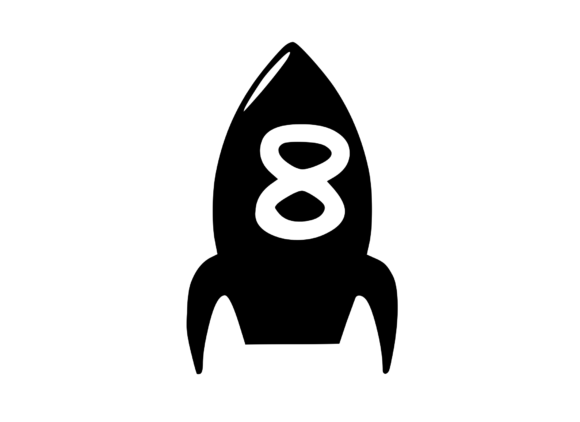
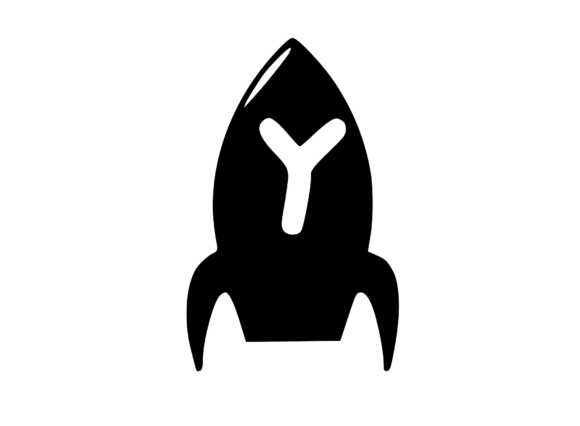
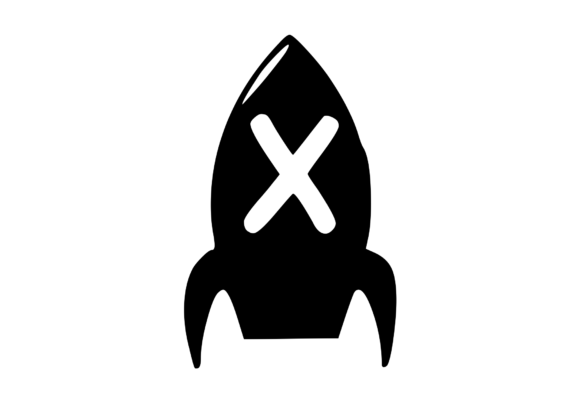
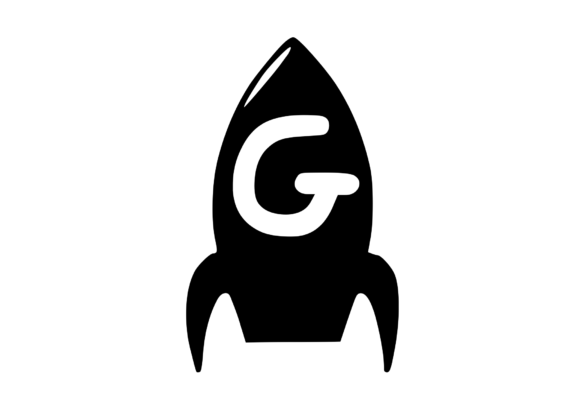
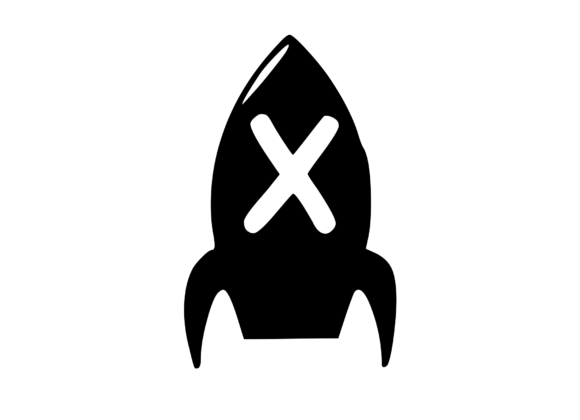
The rocket shape is clean and friendly — not too cartoonish, not too rigid. The playful mono W sits beside or integrated with the rocket, depending on how you position it in your hoop. The overall mood feels light, curious, and modern. This isn’t a vintage space patch from the sixties. It has a fresh, almost minimalist charm that works well on children’s clothing, nursery decor, and personalized gifts.
The detail level is moderate. You get enough structure in the rocket fins and window to read clearly at a distance, but there aren’t so many tiny elements that you’ll curse your stabilizer choice. That balance matters when you’re stitching multiple pieces for a small shop product run. I appreciate designs that respect my time and thread budget without looking cheap.
Because this is listed under Crafts and Graphics, I expected a file that could adapt to both digital mockups and physical stitching. The SVG format gives you flexibility for printable mockups, decals, or heat transfer vinyl if you want to offer a layered finished product. But for machine embroidery, you’ll likely want to convert it to your preferred embroidery file format first. That step is standard, but worth noting if you’re new to translating graphics into stitch-ready digital embroidery files.
Real Performance on Apparel and Home Goods
I tested Space Rocket with Playful Mono W on three common substrates: a cotton sweatshirt, a canvas tote bag, and a linen blend pillow cover. Each surface told me something useful about how this design behaves in real production.
On the sweatshirt, the design stitched cleanly with good registration. The satin stitch areas — likely the rocket body and the mono W — held their shape without pulling or distorting the knit fabric. I used a medium-weight cutaway stabilizer and a standard 4x4 hoop. If you sell custom apparel for birthdays or holidays, this design has strong gift appeal. A rocket with a child’s initial feels personal without being trendy in a way that dates itself.
On the canvas tote bag, the design looked sturdy and intentional. Tote bag embroidery often needs designs that can handle repeated use and washing. The fill stitch sections appeared dense enough to cover the fabric texture but not so thick that they’d cause stiffness. I would recommend testing a small sample first, especially if you plan to sell these as commercial embroidery products. Customers who buy handmade totes expect durability, and this design delivers if you pair it with quality thread and proper backing.
The linen blend pillow cover was the trickiest test. Linen has an open weave and can distort under dense stitching. Here, the moderate detail level worked in my favor. The design didn’t force excessive stitch count into a small area. I used a tear-away stabilizer with a layer of water-soluble topping to keep the stitches crisp on the textured surface. The result was a pillow that looked boutique-ready — exactly the kind of handmade product that commands higher prices at craft fairs or in an Etsy shop.
Where to Use This Design Carefully
No design is universal, and Space Rocket with Playful Mono W has a few boundaries worth respecting. Here’s where I would proceed with caution:
- Small hoop sizes under 4x4: If you try to cram this design into a tiny hoop, the mono W may lose legibility. The rocket details can crowd together, and the letter might become too small to read clearly. Stick with a 4x4 hoop or larger for best results.
- Thin or stretchy fabrics: Lightweight knits and single-knit tees will need extra stabilizer attention. The satin stitch areas can pull if the fabric isn’t adequately supported. Consider a no-show mesh stabilizer or a floating method with temporary adhesive spray.
- Dark fabric backgrounds: The design relies on contrast between the rocket shape and the mono W. If both elements use similar tones against a dark base, the monogram can disappear. Test thread color choices on black or navy fabric before committing to a production run.
- Curved surfaces like caps or baby bibs: Curved embroidery requires designs that flex slightly or sit compactly. This rocket has a vertical orientation that may not wrap gracefully on a cap front. For baby bibs, the design is fine as long as the hoop fits the bib surface without distortion.
- Products needing frequent washing: Kitchen towels, cloth napkins, and baby blankets see heavy laundering. Use a high-quality polyester thread and a soft cutaway stabilizer to prevent breakdown over time. Test wash a sample before selling finished items.
Visual Appeal, Customer Trust, and Brand Consistency
In the embroidery project workflow, a design does more than decorate fabric — it communicates quality. When a customer receives a personalized gift or a boutique product, they judge the stitching before they read the care tag. Space Rocket with Playful Mono W has a friendly, polished look that builds trust. The mono W feels intentional, not like an afterthought. That matters for shop owners who want repeat buyers.
For Etsy sellers and small business owners, this design works well in product photos. The rocket shape is instantly recognizable, and the monogram adds a custom feel that justifies a higher price point. I could see this listed as a personalized gift option for baby showers, first birthdays, or holiday gifts. The design also lends itself to printable mockups — you can show the finished product on a digital backdrop before stitching a single piece. That saves time and inventory risk.
For apparel decorators who produce for multiple clients, this design is versatile enough to work on both boys’ and girls’ garments. The color palette is entirely your choice, so you can match it to a brand palette or a nursery theme. Just keep thread color contrast top of mind — the embroidery file will look different on a cream sweatshirt versus a teal one.
Practical Designer Notes Before You Stitch
If you’re planning to use Space Rocket with Playful Mono W in a commercial setting — whether that’s selling finished products or offering it as a digital embroidery file — take a few steps before hitting production mode:
- Test on scrap fabric first. Run a sample on a fabric similar to your final product. Check stitch density, thread tension, and how the mono W reads at a glance.
- Check thread color contrast. View the design in black and white or grayscale to confirm that the rocket and the letter separate clearly. If they blur together, adjust your color choices or resize the elements.
- Review stitch density. If the design feels too dense in certain areas — especially around the rocket nose or the letter — reduce density in your embroidery software or choose a lighter fill pattern.
- Confirm hoop size. Make sure your hoop accommodates the full design without crowding the edges. Leave at least half an inch of clearance around the stitching for proper stabilization.
- Inspect small details. Look at the W closely. If the serifs or curves are too narrow, they may stitch as blobs. Enlarge slightly or simplify the letterform if needed.
- Test on light and dark fabric backgrounds. The same thread color can look dramatically different on a white tee versus a navy hoodie. Run both samples to avoid surprises.
- Use proper stabilizer. For most cotton and cotton-blend fabrics, a medium-weight cutaway stabilizer is a safe starting point. For stretchy or delicate fabrics, adjust accordingly.
- Check licensing before selling. Since this design comes from Crafts and Graphics categories, confirm whether your intended use — personal projects, finished products for sale, or digital product resale — is covered. Licensing terms vary, and respecting them protects your craft business from legal headaches.
The Bottom Line for Your Embroidery Project
Space Rocket with Playful Mono W is a solid addition to your design assets if you create custom apparel, embroidered patches, personalized gifts, or boutique home goods. It balances visual interest with practical stitch performance. The mono W gives it a custom edge that customers notice and appreciate, while the rocket theme keeps it playful enough for children’s items without feeling immature.
I wouldn’t use this for highly formal projects like corporate gifts or upscale wedding favors — the tone is too casual for that market. But for baby embroidery, holiday gifts, small shop merchandise, and everyday personalization, it hits the right note. If you’re a creative entrepreneur looking for designs that stitch well and sell easily, this one deserves a spot in your library.
Just remember: test before you produce, respect the fabric, and choose your thread contrast carefully. That’s the difference between a design that merely exists and one that earns you repeat customers.