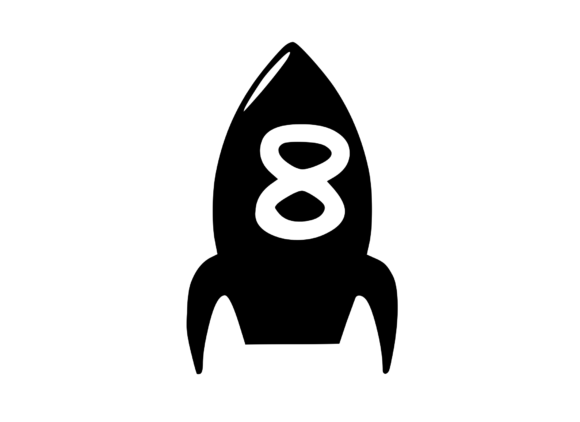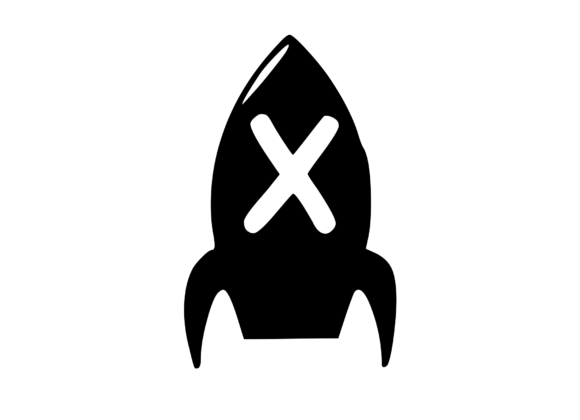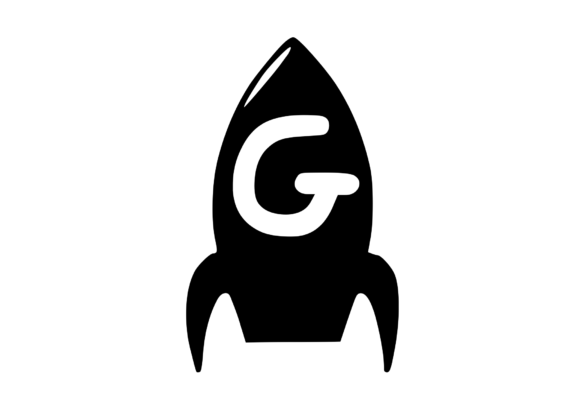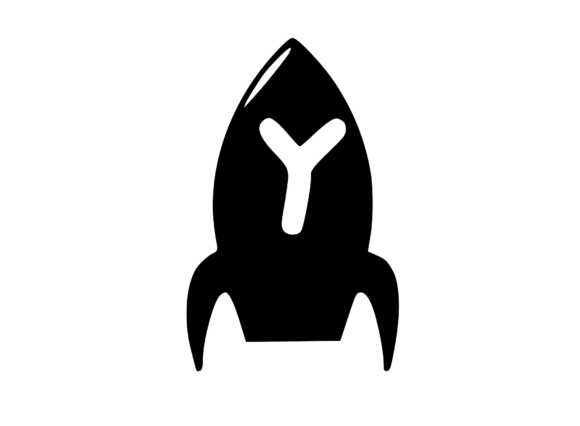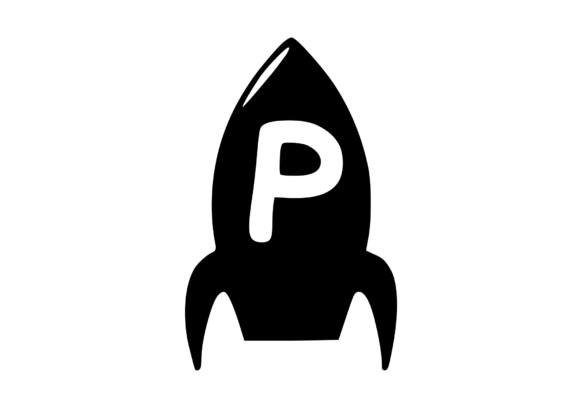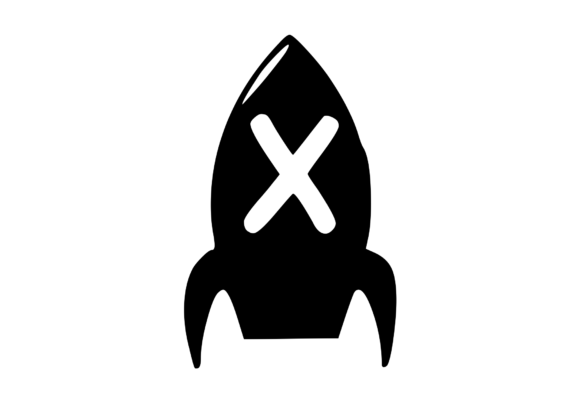
Space Rocket with Playful Mono X: A Designer’s Project Evaluation
Last month, a client approached me about producing a limited run of custom tote bags for a children’s science museum gift shop. They wanted space-themed merchandise, but nothing too cartoonish or cluttered. The mood board leaned toward clean lines, modern minimalism, and a subtle educational vibe. When I pulled up the Space Rocket with Playful Mono X, it immediately felt like the right foundation for the project. I have now spent several weeks testing this design across multiple substrates and products, and I want to share a practical, real-world assessment for anyone considering this piece for their own machine embroidery design library or handmade product line.
First Impressions: Clean Lines with a Whimsical Pulse
The strongest quality of Space Rocket with Playful Mono X is its balance. The rocket silhouette is unmistakably classic, but the playful movement in the monoline styling gives it a fresh, contemporary energy. It does not rely on heavy gradients or excessive fill details to make an impact. Instead, the shape and negative space do the heavy lifting. This is a significant advantage when translating a graphic file into an embroidery project, because excessive detail often gets lost or causes density problems in stitching. The mood here is optimistic, modern, and approachable, making it suitable for everything from baby embroidery to unisex adult apparel. It avoids the trap of being overly gendered or childish, which broadens its commercial appeal for an Etsy seller or small shop product lineup.
Bridging Graphics and Crafts: Understanding the File Format
It is important to note that Space Rocket with Playful Mono X is listed under Graphics for the Crafts category. This means you are purchasing an SVG file, not a native machine embroidery file like a DST or PES. For many creative entrepreneurs, this is an advantage. The SVG serves as a flexible design asset that can be used for printable mockups, sublimation transfers, vinyl cutting, and as a clean source file for your digitizing software. However, if you are new to embroidery, you will need access to digitizing software or a reliable digitizer to convert this SVG into a functional machine embroidery design. Do not assume you can load an SVG directly onto your embroidery machine. If you are selling finished products, always check the commercial use license associated with the graphic file, as some licenses differentiate between using the design for physical goods versus reselling the digital file itself.
Translating the Design into Real Embroidery Performance
Once I imported the SVG into my digitizing software, the structural clarity of the artwork became even more apparent. The monoline weight is consistent, which allows for clean digitizing without excessive manual node editing. Here is how the design performs across different stitch techniques:
- Satin Stitch Applications: The main body of the rocket converts naturally into a satin stitch column. The width of the lines in the SVG dictates the column width, so I recommend testing a small sample to confirm the satin density does not become too stiff. I found that a standard satin with a light underlay produced a raised, polished look on twill and denim.
- Running Stitch Details: The playful accents, small stars, and exhaust trail work beautifully as a running stitch. This keeps the stitch density low in those areas, which is beneficial for maintaining softness in the finished product. A double-run stitch path adds a bit of weight if you want those elements to stand out more.
- Fill Stitch Considerations: This design does not rely on large fill stitch areas, which is a blessing for commercial embroidery. Large fills can cause thread breaks and puckering on unstable fabrics. The Space Rocket with Playful Mono X keeps the threadwork efficient, which speeds up production time for small shop owners running multiple units.
- Stitch Density: Because the design is built on clear lines rather than dense textures, the overall stitch count remains moderate. This means less thread changes, fewer trim points, and a lower risk of distortion on stretchy fabrics. For a custom apparel decorator, this translates to higher productivity and consistent quality across runs.
Real-World Project Applications and Use Cases
I stitched this design onto six different product types over the course of my testing. Each substrate revealed something useful about where this design belongs and where it should be used carefully.
Custom Apparel and Sweatshirt Embroidery
On a mid-weight cotton sweatshirt, the Space Rocket with Playful Mono X sits beautifully as a left chest decoration or a center back piece. The moderate size of the design fits well within a standard 5x7 hoop without crowding. I used a cut-away stabilizer to support the satin columns on the knit fabric, and the result was a professional, boutique-quality finish. This is a strong candidate for unisex apparel, STEM-themed collections, or personalized gifts for young children and space enthusiasts.
Tote Bags and Canvas Products
The science museum tote bag project became the true stress test. On heavy canvas, the design held its shape perfectly. The satin stitch columns sat crisp and the running stitch details remained legible. I used a tear-away stabilizer here and a sharp 75/11 needle. The design required no major edits. This is where the asset shines for craft business owners who produce reusable shopping bags, library totes, or gift shop merchandise.
Baby Embroidery and Nursery Decor
I tested it on a baby onesie and a small muslin blanket. Because the design relies on line work rather than dense fill, it maintained flexibility, which is essential for baby clothing. I downsized the design slightly to fit a 4x4 hoop for the onesie, and the playful mono lines remained clear. Parents responded positively to the modern, non-cluttered look. It also worked well as a decorative element on a nursery pillow cover using a lightweight stabilizer.
Embroidered Patches
For digital product sellers looking to expand into physical goods, this design makes an excellent embroidered patch. The clear boundaries of the rocket shape allow for a clean merrowed edge or a laser-cut patch finish. I stitched a test patch on felt with a satin stitch border, and the result was a sturdy, sellable patch suitable for backpacks or jackets. This opens up an additional revenue stream for an Etsy seller.
Where to Use Caution: Fabric and Placement Advice
Not every surface is ideal for Space Rocket with Playful Mono X. Here are a few practical warnings based on my testing:
- Dark Fabrics: Because the design relies on a monoline silhouette, contrast is critical. If you stitch the design in a dark thread on a dark fabric, the playful details will disappear. I recommend white, silver, neon, or metallic thread for dark backgrounds to preserve the visual personality.
- Thin or Stretchy Fabrics: Lightweight knits and silky materials may struggle to support the satin stitch columns without puckering. If you must use these fabrics, increase your stabilizer weight and test a sample first. A water-soluble stabilizer on top can also help keep the stitches crisp.
- Curved Surfaces Like Caps: The design’s linear nature means it must be hooped flat. On a cap, you will need a specialized cap hoop and a careful placement strategy. The design is not inherently curved, so center front placement on a structured cap works best. Avoid side panels or highly curved brim areas.
- Very Small Hoop Sizes: While the design fits a 4x4 hoop when scaled down, the playful elements such as small stars and the exhaust trail may become too fine to stitch clearly at extremely small sizes. If you are working with a mini hoop, test the design scaled down to confirm the satin columns do not become too narrow.
Practical Designer Notes for a Smooth Stitch-Out
Before you commit to a production run, here are the steps I recommend taking with this design asset:
- Test on scrap fabric first. Identical to the final product material. Check the stitch-out for any skipped stitches or density issues in the satin columns.
- Review thread color contrast. Create a black and white mockup of the design. If the silhouette is not immediately readable in grayscale, your color choice needs adjustment.
- Confirm your hoop size. The design’s dimensions will determine your hoop requirements. Do not attempt to cram it into a hoop that barely fits the bounding box, or you risk damaging your machine and the fabric.
- Use proper stabilizer. For wovens, tear-away is sufficient. For knits and stretch fabrics, use cut-away. For high-density areas, consider a double layer of stabilizer.
- Check your licensing. The product description indicates it is a great choice for artists and crafters to proudly reproduce. However, if you plan to use it for commercial embroidery on a large scale or sell the digitized version, confirm the specific terms of the license. Protecting your craft business starts with respecting the designer’s rights.
The Verdict: A Versatile Asset for the Creative Entrepreneur
Space Rocket with Playful Mono X is a thoughtfully designed graphic that translates well into the embroidery medium with proper preparation. It offers a modern, clean aesthetic that fits the current market demand for minimalist, unisex, and educational-themed handmade products. For the small shop owner, Etsy seller, or apparel decorator, it provides a reliable foundation for a variety of finished products, from custom sweatshirts and tote bags to embroidered patches and baby gifts. It does require a basic understanding of digitizing and fabric behavior, but that is true of any well-executed machine embroidery design. If you are looking for a space-themed design that performs professionally across multiple substrates and appeals to a wide range of customers, this is a strong addition to your design assets and craft business toolkit.