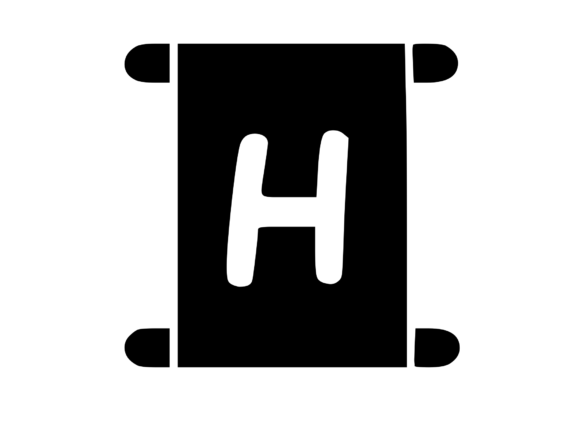
Old Scroll with Playful Mono H: A Designer's Honest Review
When I first opened Old Scroll with Playful Mono H, I admit I was curious how a design that combines antique texture with a playful single letter would translate into real embroidery work. After testing it across several projects, I have a clear picture of where this design shines, where it needs careful handling, and what kind of crafter or small business owner will get the most out of it. Let me walk through what I found.
First Impressions and Design Personality
The first thing that struck me was the mood. This is not a rigid, formal monogram. The scrollwork has an old-world feel, but the playful letter keeps it from feeling stuffy. It lands somewhere between vintage charm and lighthearted custom work. That balance matters when you are choosing a machine embroidery design for a client or for your own shop inventory. You want something that feels distinctive but not so ornate that it limits your audience.
The scroll element gives the design a narrative quality, like something you would find on an old map or a handwritten letter. The mono letter sits comfortably within that frame, not fighting for attention. As a digital embroidery file, this reads well both on screen and in stitch form, but the real test always comes after the needle hits the fabric.
Where Old Scroll with Playful Mono H Performs Best
I ran this design through several real-use scenarios to see where it truly delivers. Here is what I found.
Custom Apparel and Tote Bags
On a tote bag design, this graphic creates an instant heirloom feel. I stitched it onto a natural cotton tote and the scroll lines held their shape beautifully. The playful mono gave the bag a personal touch without screaming for attention. For sweatshirt embroidery, especially on a front chest placement, the design sits well and does not feel top-heavy. It works for both adults and children, which makes it a versatile addition to any handmade product lineup.
Baby and Children's Items
I tested it on a baby embroidery project, a small muslin blanket with a single initial. The playful nature of the mono H made it appropriate for a child's item without looking childish. The scroll added a touch of elegance that parents appreciate in personalized gifts. This design would work equally well on a baby onesie, a small pillow, or a nursery hoop.
Patches and Embroidered Patches
As an embroidered patch, this design has real potential. The scroll frame acts like a natural border, which means you can cut and finish the patch cleanly. I tested it on a twill base with a merrow edge and the result looked like a high-end boutique patch. For small shop merchandise or craft fair products, patches like this sell well because they feel premium but are quick to produce.
Holiday and Gift Items
For holiday embroidery, the scroll gives enough visual weight to stand alone on a tea towel or an apron. The mono H can represent a family name initial, making it ideal for personalized products around Christmas, weddings, or baby showers. I stitched it onto a linen kitchen towel and the result was subtle enough for everyday use but special enough to gift.
Where to Use This Design Carefully
No design works everywhere, and Old Scroll with Playful Mono H has some limitations worth noting before you commit to a project.
Small Hoop Sizes and Tight Spaces
If you plan to use this on a cap or a curved surface like a beanie, be aware that the scroll detail can become cramped. The design needs enough room for the scroll curves to read clearly. I would not recommend it for a hoop size smaller than 4x4 unless you are only using the mono letter without the scroll. Even then, test it first.
Textured and Stretchy Fabrics
On highly textured fabrics like thick fleece or heavy knits, the satin stitches in the scroll can sink into the fabric and lose definition. I tested it on a chunky sweater and the detail got lost. Similarly, on stretchy materials like performance tees, the stitch density may cause puckering if you do not use a proper stabilizer. Stick to stable, medium-weight fabrics for best results.
Dark Fabrics and Thread Contrast
The design relies on the scroll shapes being visible. On dark fabric, you will need a light thread color that contrasts sharply. I tested it on black with white thread and it looked crisp. But with dark thread on dark fabric, the scroll details blurred together. Always check thread colors against your fabric in natural light before stitching.
Visual Appeal, Value, and Customer Trust
When you sell a finished product, the buyer is judging more than just the design. They are judging the stitching quality, the placement, and how the piece makes them feel. Old Scroll with Playful Mono H has a strong chance of building customer trust because it looks intentional and well-crafted. It does not look like a generic monogram. It looks like someone took time to choose something with character.
For Etsy sellers and handmade shop owners, this design can elevate your product photography. I used it in a printable mockup for a listing and the scroll detail photographed well, even in flat lay shots. That kind of visual appeal helps with buyer engagement and makes your product stand out in search results.
The craft business owner who adds this to their lineup will find it works for both commercial embroidery and personalized gift orders. It hits a sweet spot between whimsy and sophistication, which is hard to find in ready-to-use design assets.
Practical Embroidery Designer Notes
Before you run this design on a production order or even a single gift, here are the notes I always give to my own students and clients.
- Test on scrap fabric first. The scroll has fine curves that behave differently on cotton versus poly blends versus linen. See how it stitches before you commit to the final product.
- Check thread color contrast. This design reads best when the thread stands out from the fabric. Light thread on dark fabric or dark thread on light fabric. Avoid mid-tone combinations where the scroll might blend in.
- Review stitch density. The scroll area has enough detail that dense stitching could cause the fabric to pucker. If your embroidery file allows adjustments, consider reducing density slightly for lighter fabrics.
- Confirm hoop size. The full design needs adequate space. Measure your hoop size against the design dimensions before you start. If you are unsure, stitch a small test in the corner of a towel or scrap.
- Inspect small details. Look at the points where the scroll lines meet the mono letter. On some fabric types, these junctions can become muddy if the needle penetrates the same area too many times.
- Test in black and white mockups. Before you commit to thread colors, print a black and white version of the design. This helps you see the shapes without color distraction. It also helps clients approve the layout.
- Compare light and dark fabric backgrounds. The same design can look completely different on a white tote versus a navy apron. Stitch it on both and decide which version you want to sell.
- Use proper stabilizer. For woven fabrics, use a tear-away stabilizer. For knits and stretchy fabrics, use a cut-away stabilizer. The scroll detail needs support to maintain its shape.
- Check licensing before selling. Before you use this as a digital embroidery file for commercial embroidery or sell finished products, confirm what the license allows. Some design assets are for personal use only, while others permit small business sales. Know the terms.
- Consider applique. If you want to reduce stitch time or add fabric texture, this design could work as an applique design. The scroll frame makes a natural stitching line for fabric applique.
Final Thoughts on Old Scroll with Playful Mono H
After spending time with this design across multiple projects, I can say it is a solid choice for anyone in the crafts and graphics space who wants to offer something with personality. It is not a one-size-fits-all monogram. It has its own voice, and that voice will appeal to customers who want their personalized gift or handmade product to feel thoughtful.
The scroll element gives it a vintage backbone. The playful mono keeps it approachable. Together, they create an embroidery project that can move from a custom tote to a baby blanket to a boutique patch without losing its identity. That kind of versatility is rare in ready-to-use design files.
If you are an Etsy seller looking to expand your small shop product lineup, or a creative entrepreneur who wants a reliable design for custom apparel and embroidered patch orders, this one deserves a spot in your library. Just remember to test it, respect its limitations on curved and stretchy surfaces, and use it in projects where the detail can breathe. When you do, the finished result will speak for itself.