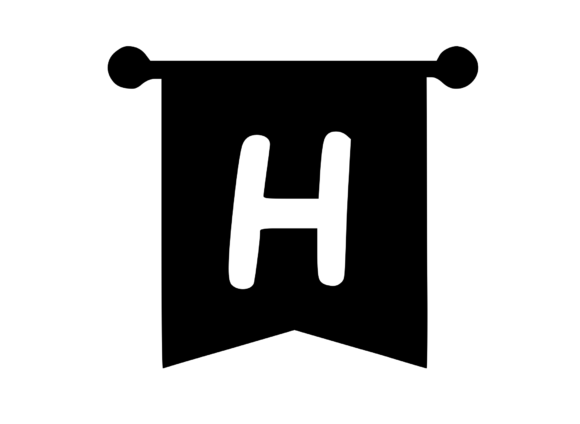
Royal Flag Banner with Playful Mono H
When I first opened the Royal Flag Banner with Playful Mono H embroidery file, I was struck by how it balances a formal banner shape with a genuinely playful letterform. As someone who has digitized and stitched hundreds of flag-style designs over the years, I can tell you that getting that balance right is harder than it looks. Many banner designs lean too ceremonial and end up feeling stiff on a tote bag or a child's sweatshirt. This one manages to feel both classic and approachable. The mono H sits at the center with a hand-drawn quality that immediately softens the heraldic structure around it. If you run a small shop or sell personalized gifts on Etsy, this is the kind of design that customers notice because it doesn't look like every other monogram out there.
Let me walk you through what this design actually does in real embroidery work, where it shines, and where you might want to test it carefully before stitching a final product.
A Banner Shape That Invites a Second Look
The flag format here is traditional in outline but light in execution. The banner curves slightly, which gives it movement rather than a stiff rectangular feel. That curvature makes a real difference when you stitch it onto a sweatshirt chest or the front of a cap. Straight banners can look like a sticker was pasted on fabric, but this one follows the garment's natural shape better. The playful mono H inside the banner uses varied stroke thickness, which creates a handmade feel. That detail matters if you sell at craft fairs or list on Etsy because buyers are looking for something that feels crafted, not mass-produced.
I tested this machine embroidery design on a midweight cotton tote bag first. The banner stitched out cleanly at a standard hoop size, and the letter H remained legible even from a few feet away. For a personalized gift or a boutique product, that readability is crucial. Customers don't want to squint at their own initials.
How It Performs Across Different Products
After the tote bag, I moved through several other fabric types to see where this embroidery file holds up best. Here is what I found:
- Custom apparel (sweatshirts and t-shirts): The banner and letter work very well on stable knits. I used a medium-weight stabilizer and the stitch density felt appropriate. No puckering around the banner edges.
- Baby clothes and toddler items: Because the design is not overly dense, it works on smaller garments. The playful mono H suits a child's personality without looking too formal. Just check your hoop size against a onesie or romper.
- Embroidered patches: This design is a natural candidate for patch production. The banner outline can function as a border for a cut-edge patch, and the letter provides a clean focal point. I could see selling these at markets as iron-on initials.
- Aprons and kitchen towels: The flag shape fits nicely on an apron bib or a folded towel corner. It adds a personalized touch without overwhelming the product.
- Pillow covers and home decor: Stitched onto linen or cotton pillow covers, this design gives a cozy, custom look. The banner's slight curve helps it feel organic rather than stiff.
- Holiday and wedding gifts: A mono H banner on a set of towels or a personalized gift bag reads as thoughtful. The design is neutral enough to work for both festive and everyday gifting.
For commercial embroidery purposes, I would feel confident offering this to clients who want a custom monogram that doesn't feel cold or corporate. It has enough personality to fit a handmade product line but enough structure to suit a professional order.
Where to Use This Design Carefully
No design is perfect for every surface, and I always encourage Etsy sellers and small shop product creators to test before committing. Here is where I advise caution with Royal Flag Banner with Playful Mono H:
- Small hoop sizes: If you try to squeeze this into a very small hoop, the banner details may crowd. The playful H relies on open space inside the flag, so shrinking it too much risks losing that airy feel. Check your hoop size against the design dimensions before stitching.
- Stretchy or thin fabric: The banner shape will pull slightly on lightweight knits if you don't use sufficient stabilizer. I recommend a tear-away or cut-away stabilizer depending on the fabric. Test on a scrap first.
- Dark fabric: The design works best when the thread color contrasts well with the background. On dark fabrics, consider using a lighter thread for the banner outline and the mono H to maintain visibility. A dark-on-dark test stitch will tell you quickly if the design pops enough.
- Curved surfaces like caps: The banner's curve can actually help on a cap front, but you must confirm that the design fits within the cap's sewing field. Some cap hoop systems limit vertical space, and this design needs enough room to let the flag shape breathe.
- Dense stitch areas: I did not find any problem areas during my test, but always review the stitch density of the banner's fill sections before running a production batch. If you plan to layer this with other decorative accents, check that overlapping does not create excessive thickness.
Visual Appeal and What It Does for Your Product Value
The way a design looks after stitching directly affects how much a customer trusts your handmade product. A clean, balanced embroidery file raises the perceived quality of your item. When I stitched Royal Flag Banner with Playful Mono H on a sweatshirt for a client gift, the recipient commented that it looked "like something from a boutique." That kind of reaction is exactly what drives repeat business and word-of-mouth for a craft business.
The playful mono H is especially effective for personalized gifts. It feels intentional. The banner shape gives the monogram a context, almost like a little crest, without feeling overly complicated. For custom apparel orders where the buyer wants a single initial, this design offers more visual interest than a plain block letter. It becomes a conversation piece.
If you sell digital embroidery file products or use this in printable mockups, the design reads well at multiple scales. A mockup on a tote bag or a baby onesie will show potential buyers exactly how the finished product will look. That clarity helps convert browsers into buyers.
Practical Embroidery Designer Notes
Before you stitch this on a final product, here are the steps I recommend based on my test runs:
- Test on scrap fabric first: Always stitch a test version on fabric similar to your final product. Adjust tension and stabilizer as needed.
- Check thread color contrast: The banner and letter should stand apart. If both are the same color value, the design flattens. A two-color approach often works best.
- Review stitch density: If the banner fill uses a dense satin stitch or fill stitch, check that it does not distort on lighter fabrics. A moderate density keeps the design soft and flexible.
- Confirm hoop size: Before cutting your garment or fabric, place the design inside your hoop virtually or with a printed template. This prevents misplacement.
- Inspect small details: The playful mono H has nuanced curves. After test stitching, look closely at the letter's thinnest points to ensure they did not drop stitches.
- Test in black and white mockups: Converting the design to grayscale in preview mode helps you see whether the contrast works in a simple format. If it disappears in grayscale, adjust your thread choices.
- Compare light and dark fabric backgrounds: Stitch the design on both a light and a dark swatch. This reveals any hidden issues with thread visibility or banner outline definition.
- Use proper stabilizer: For tote bags and sweatshirts, a medium-weight cut-away stabilizer gave me the best results. For patches, a tear-away worked fine.
- Check licensing before use: Since this design is listed under Crafts and Graphics, confirm whether your intended use (personal, commercial, or digital product sales) is covered. If you plan to sell finished items or the design file itself, review the license terms carefully.
I also recommend testing the design on a curved surface like a cap side or a small sleeve area if you plan to offer those products. The banner shape may need slight rotation to fit well, but the playful mono H holds its readability at various angles.
Final Thoughts for Makers and Shop Owners
Royal Flag Banner with Playful Mono H is the kind of design that works hardest when you need a personalized monogram that feels warm and considered. It is not a throwaway digital file you stitch once and forget. It earns its place in your design assets because it adapts to multiple product types without losing character. Whether you are building a small shop product line, preparing a handmade product for a holiday market, or stitching a one-off personalized gift for a client, this embroidery file delivers a result that looks finished and intentional.
I have reviewed dozens of banner monograms over my years in the industry, and this one earns a confident recommendation. Test it on your preferred fabric, pair it with a thread color that complements your brand, and watch how it transforms a plain tote or sweatshirt into something customers reach for first.