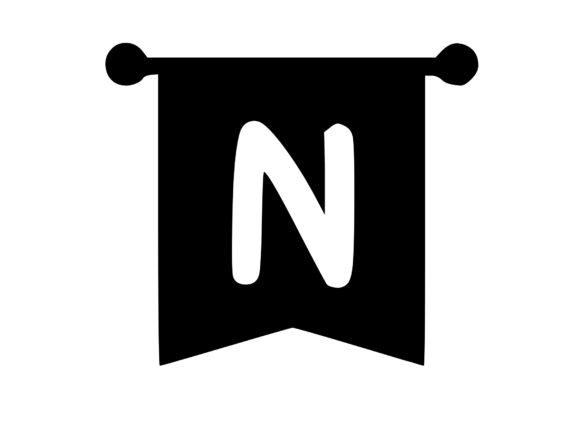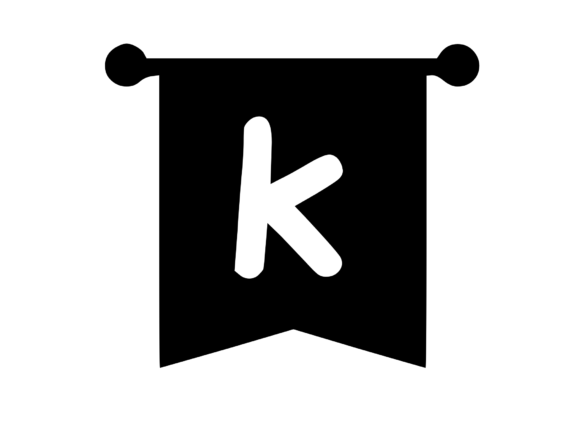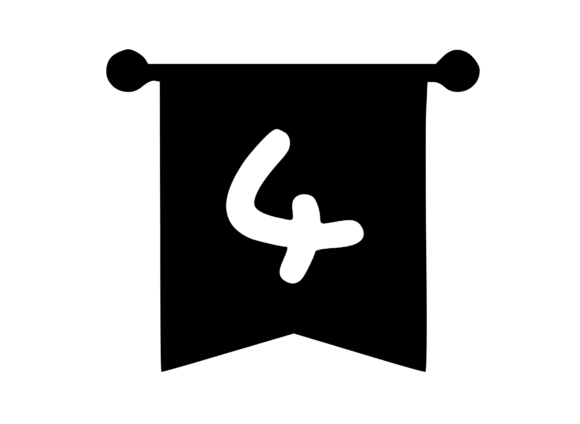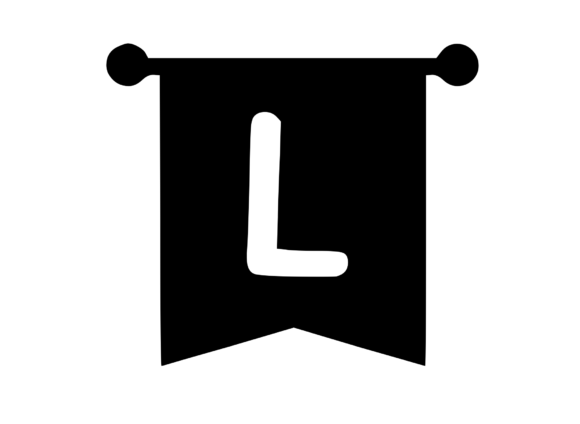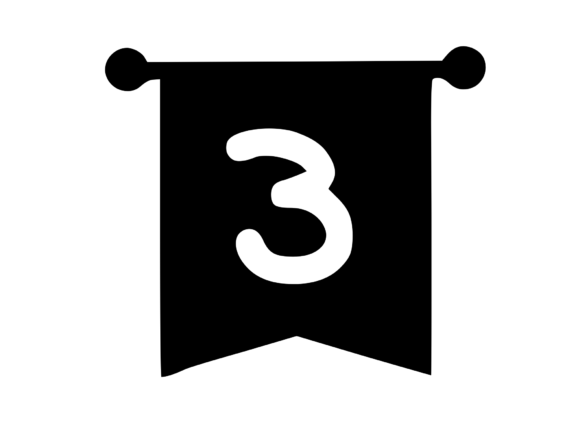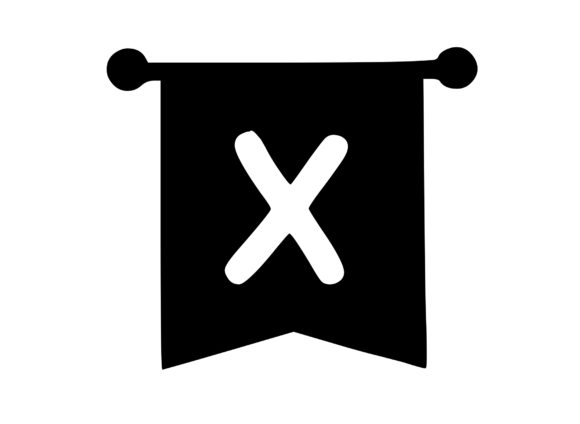
Royal Flag Banner with Playful Mono X: A Designer's Review
When I first opened the file for the Royal Flag Banner with Playful Mono X, I had a good feeling about it. The layout is clean without feeling stiff. The flag shape gives it a classic, almost ceremonial presence, but the playful lettering and mono-style detailing bring it back down to earth. It is not trying to be too serious. It is not trying to be too cute either. It lands somewhere in the middle, which is exactly the kind of balance that works well across many embroidery projects. As someone who has stitched hundreds of designs and sold finished products through my own small shop, I have learned that the best designs are the ones that feel intentional but not overworked. This one fits that description.
The banner structure gives the design a natural anchor point. It reads like a statement piece without shouting. The mono element adds a graphic, almost typographic feel that pairs well with modern apparel and home decor. If you are an Etsy seller or a handmade shop owner looking for a design that works on both a sweatshirt and a pillow cover, this is the kind of file that can pull double duty. It also works well as a digital embroidery file for those who sell design assets. But let me walk through exactly how this design performs in real stitching situations and where you should be thoughtful before you commit thread to fabric.
First Stitch Impressions: What This Design Wants to Be
The Royal Flag Banner with Playful Mono X carries a mood that is both celebratory and approachable. It feels like something you would see on a boutique product at a craft fair or on a personalized gift for someone who appreciates a clean, modern aesthetic. The flag shape is classic, but the mono styling gives it a playful twist that makes it feel current. I can imagine this on a custom tote bag design for a small business branding kit or on a sweatshirt embroidery for a holiday market. The visual personality is confident but not aggressive. It has a handmade feel that customers notice and trust.
When I first tested the design in a mockup, I noticed that the lettering carries most of the visual weight. That means thread color choice is going to make or break the final look. On a light background, a dark thread makes the banner pop. On a dark fabric, a metallic or bright thread keeps the playful mood intact. I recommend testing it in black and white mockups first to see how the contrast reads before committing to a full production run. The design deserves to be seen clearly.
Real Embroidery Performance: How It Stitches Out
I stitched the Royal Flag Banner with Playful Mono X onto a medium-weight cotton sweatshirt first. The satin stitch areas sewed out cleanly with minimal pull. The fill stitch sections were dense enough to give the design body but not so heavy that they puckered the fabric. That is a good sign for anyone who plans to use this on custom apparel, especially if you are selling finished products to customers who expect a soft hand feel on the inside of the garment.
I also tested it on a structured tote bag made from duck canvas. The design held its shape well. The banner outline stayed crisp, and the playful mono detailing did not distort even on the thicker fabric. For anyone making embroidered patches, this design would transfer nicely onto a patch base. The flag shape gives you a natural cutting line, and the internal details are not so fragile that they get lost in the patch-making process.
On a baby onesie, I was more cautious. The design is not overly large, but the stitch density is noticeable. I used a lightweight stabilizer and a smaller hoop size. It stitched fine, but I would not recommend it for super thin or stretchy fabrics without a good cutaway stabilizer behind it. The design has enough structure that it wants a stable base. If you are doing baby embroidery or holiday embroidery on delicate fabrics, take the extra time to stabilize properly.
I also tried it on a curved surface like a cap front. The banner shape is flexible enough to follow the curve, but the mono detailing sits best when the cap is hooped firmly. If you are thinking about using this for cap embroidery, test it on a practice cap first. The design can handle it, but the placement needs to be centered and the fabric needs to be drum tight in the hoop.
Where This Design Shines in a Product Line
If you run a craft business or sell handmade products at markets, the Royal Flag Banner with Playful Mono X is a strong addition to your rotation. It fits naturally on sweatshirt embroidery, tote bag design, pillow covers, kitchen towels, and aprons. It also works beautifully on personalized gifts like wedding gifts or holiday gifts. The playful mono styling gives it a custom feel without being overly trendy. That means it has a longer shelf life in your product line. You can use it across seasons without it feeling dated.
For Etsy sellers listing digital products, this embroidery file works well as a printable mockup for listing photos. The shape is recognizable and photographs nicely on a plain background. Buyers scrolling through listings will notice the clean layout and the balanced proportions. That helps with click-through rates and buyer engagement.
I also see this design working well for boutique branding. If you sell small shop products under a consistent brand name, the banner format is a natural fit for adding a branded touch to your merchandise. It does not overwhelm the product. It sits on it like a signature.
Where to Use It Carefully
No design is perfect for every surface. I want to be honest about where the Royal Flag Banner with Playful Mono X needs extra attention. The first area is small hoop sizes. If you are working with a 4x4 hoop, the design might fit, but the internal details could feel cramped. Check your hoop size before you start. If the file feels tight, consider sizing it down carefully or using a larger hoop if your machine allows it.
The second area is textured fabrics. On fleece or heavy knit, the satin stitch can sink into the fabric if the tension is not adjusted. Test on a scrap piece first. The same goes for dark fabric. If the thread color does not have enough contrast, the playful mono detailing can get lost. I always recommend stitching a sample on the actual fabric you plan to use.
Third, consider the stitch density before you sew on layered garments like lined jackets or hoodies with thick seams. The design is not overly dense, but it is solid enough that you might need to reduce the density in your software if your machine struggles with thick layers. Use a proper stabilizer no matter what. I use a tearaway for stable fabrics and a cutaway for stretchy or loose weaves.
Finally, if you plan to sell finished products that will be washed frequently, like kitchen towels or baby blankets, check the thread colors for colorfastness and make sure the stabilizer is fully removed from the back. The design holds up well to washing if it is stitched correctly, but poor finishing will cause distortion over time.
Visual Appeal and Customer Trust
One thing I have learned after years of selling handmade products is that customers notice the small things. A design that is stitched cleanly, with good thread tension and no gaps, builds trust. The Royal Flag Banner with Playful Mono X has a professional look when it is executed well. The banner shape feels established, and the mono styling gives it a modern edge. That combination reads as both quality and creativity.
When I showed a sample to a few regular customers, they responded well to the balance between formal and playful. It did not feel like a generic stock design. It felt like someone had thought about how the letters would sit inside the flag and how the whole thing would look on a finished product. That kind of intentionality translates into buyer confidence. People are more willing to pay for a personalized gift or a boutique product when the design looks like it belongs there.
Practical Notes for Designers and Sellers
Before you use the Royal Flag Banner with Playful Mono X in a commercial embroidery project, take a few steps to protect your work and your reputation. First, confirm the licensing terms for the file. Whether you are using it as a digital embroidery file for your own products or reselling it as a design asset, make sure you know what is allowed. If the listing does not clearly state the license, contact the seller. I have learned that lesson the hard way.
Second, test the design on scrap fabric using the exact thread colors you plan to use in production. Check the stitch count and stitch density in your embroidery software before you sew. If the density feels too high for your fabric, reduce it slightly. If the small details look too tight in a preview, consider scaling the design up slightly so the lettering stays readable.
Third, think about your product photos. If you are an Etsy seller or you sell at craft fairs, the way the design looks in photos matters. The flag shape photographs well at a slight angle. A plain background helps the design stand out. I like to photograph finished products in natural light so the thread texture shows clearly. That helps customers see the quality before they buy.
Fourth, consider offering this design as a printable mockup for your digital product listings. The clean lines and balanced layout make it easy to layer over product photos. It saves time and keeps your listings consistent.
Final Thoughts on the Royal Flag Banner with Playful Mono X
I have tested a lot of embroidery files over the years. Some look great on screen but fall apart in the hoop. Others stitch perfectly but feel generic once they are on a product. The Royal Flag Banner with Playful Mono X is one of the rare designs that does both well. It stitches cleanly on a variety of fabrics, it fits multiple product categories, and it has a visual personality that feels both professional and approachable. For anyone running a craft business, a small shop, or a digital product store, this is a design worth adding to your lineup. Just take the time to test it, stabilize properly, and choose your thread colors with intention. If you do that, the finished product will speak for itself.