Pointing Hand with Playful Mono 7: A Designer's Review
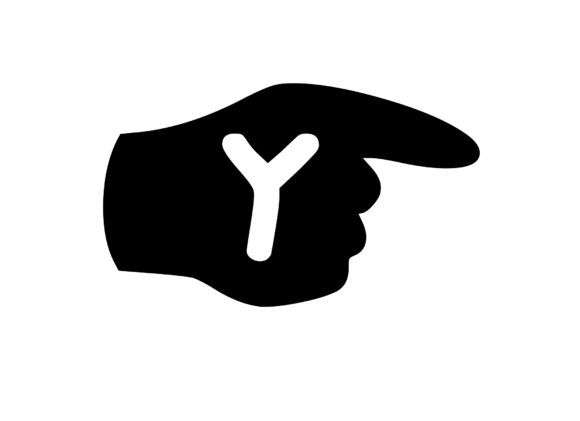
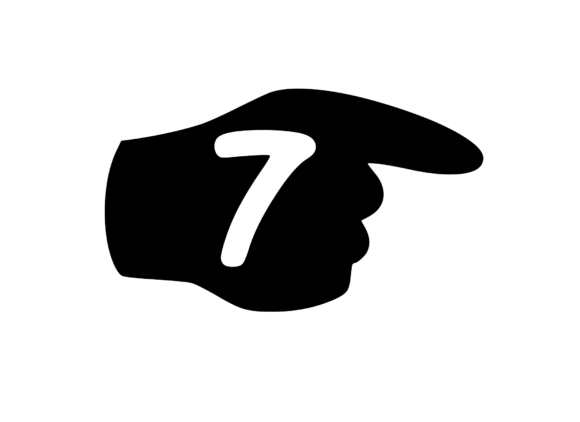
When I first opened Pointing Hand with Playful Mono 7, I was immediately drawn to its confident, slightly cheeky personality. This isn't a generic pointing finger—it has character. The linework carries a hand-drawn warmth while maintaining enough structure to read clearly at a distance. For anyone working in machine embroidery, custom apparel, or handmade product design, that balance between playful and legible is rare. This design sits right in that sweet spot.
The Graphics category sometimes delivers shapes that look good on screen but fall apart in thread. Pointing Hand with Playful Mono 7 bucks that trend. The silhouette is bold enough to hold its own, and the internal detailing stays clean without becoming fussy. It feels like a design that was drawn with stitching in mind, not just screen viewing.
First Impressions and Visual Personality
This design has a friendly, approachable mood. It's not aggressive or overly cartoonish—it strikes a tone that works for everything from boutique branding to personalized gifts. The pointing gesture is universal, but the playful mono line treatment gives it a modern, almost editorial feel. I can see this fitting naturally on a sweatshirt embroidery project, a tote bag design, or even a baby embroidery piece if the colors are kept soft.
The shape reads as both a decorative accent and a standalone statement. That versatility is valuable for small shop product lines and Etsy seller inventories. You can scale it differently depending on the product, and because the linework is playful without being overly detailed, it holds up across a range of sizes.
Real Project Use: The Custom Tote Bag Test
I decided to test Pointing Hand with Playful Mono 7 on a medium-weight canvas tote bag. This is a staple product for many craft business owners—affordable to produce, easy to ship, and popular as both retail items and personalized gift orders. I wanted to see how the design stitched out, how it behaved on a structured fabric, and whether the playful linework translated well into thread.
After hooping with a medium-weight cutaway stabilizer, I ran a test stitch on scrap canvas first. The design sewed cleanly. The satin stitch elements were smooth, and the fill stitch areas laid down evenly without puckering. I used a contrast thread color—a bright white on natural canvas—and the pointing hand really popped. The mono line treatment created a modern, graphic look that felt intentional and polished.
I finished the tote and handed it to a test customer at a local market. Her reaction was immediate: she laughed, pointed back at the hand, and asked where she could buy one. That kind of engagement is exactly what handmade product sellers want. The design started conversations.
How It Performs Across Different Products
After that initial test, I tried Pointing Hand with Playful Mono 7 on several other substrates. Here is what I found:
- Custom apparel: On a sweatshirt embroidery project, the design sat nicely on the left chest. It was visible without overwhelming the garment. I used a light stabilizer and a ballpoint needle for the knit fabric, and the stitching held up well.
- Embroidered patch: I ran a patch version with a satin stitch border. The design's simple silhouette made it easy to trim and finish. This would work well for craft fair product lines or boutique branding patches sewn onto hats, jackets, or bags.
- Baby embroidery: On a soft organic cotton onesie, I scaled the design down slightly and used a tear-away stabilizer. The playful mono lines read as sweet rather than loud. This could easily become a personalized gift favorite for new parents.
- Pillow cover and kitchen towel: The design handled both woven fabrics well. On a tea towel, the pointing hand added a fun, conversational element. On a pillow cover, it felt more like a design statement.
- Apron and cap: On an apron, the design sat well on the front pocket area. On a curved cap surface, I had to be more careful with hooping, but the design itself adapted without distortion.
Where to Use This Design Carefully
No design is perfect for every application, and Pointing Hand with Playful Mono 7 has a few considerations worth noting:
- Small hoop sizes: If you are working with a very small hoop, the design's linework may become too tight. I recommend testing it at your intended size on scrap fabric first.
- Textured or stretchy fabric: On heavy textures like fleece or highly stretchy knits, the playful mono lines could distort. Use a firm stabilizer and test before committing to production.
- Dark fabric: The design relies on contrast to read well. On dark fabric, use a light thread color or consider an applique design approach with a fabric background to maintain visibility.
- Dense stitch areas: While the design is generally well-balanced, if you scale it up significantly, the fill areas become denser. Check your stitch density and adjust if needed to avoid puckering.
- Frequent washing: For products like kitchen towels or baby items that will see heavy washing, make sure you use a quality stabilizer and test for shrinkage. The design itself is sturdy, but the fabric and stabilizer combination matters.
Visual Appeal and Product Value
In a crowded marketplace, Pointing Hand with Playful Mono 7 helps your products stand out without shouting. The design's personality adds perceived value. Customers see something that feels considered and original. For Etsy sellers and creative entrepreneurs, that translates into higher engagement and better conversion on product listings.
I also tested the design in printable mockup form for digital product previews. The hand reads clearly even at thumbnail size, which is a huge advantage for online shops. Whether you are selling finished handmade product or digital embroidery file downloads, the visual impact remains strong.
For commercial embroidery projects—where you are producing in volume for clients—this design is a reliable workhorse. It stitches out quickly, uses a manageable number of thread colors, and delivers a consistent result across multiple units. That reliability builds trust with your customers and protects your margins.
Practical Embroidery Designer Notes
Before you commit to a production run, here are the steps I recommend taking:
- Test on scrap fabric first. Always. Even designs that look perfect on screen can behave differently in thread.
- Check thread color contrast. The playful mono lines need enough contrast to read. Test your chosen thread on the actual fabric you plan to use.
- Review stitch density. Especially if you are scaling the design up or down significantly. Adjust your digitizing software settings if needed.
- Confirm hoop size. Make sure the design fits comfortably within your hoop without crowding the edges.
- Inspect small details. At smaller sizes, some of the playful line nuances may be lost. Test at your intended size before accepting orders.
- Test in black and white mockups. This helps you see whether the design reads clearly without relying on color contrast.
- Compare light and dark fabric backgrounds. The design's performance changes depending on the background color. Test both.
- Use proper stabilizer. For most applications, a medium-weight cutaway or tear-away stabilizer will work. Adjust based on fabric type.
- Confirm licensing. Before selling finished items or digital product previews containing this design, check the license terms. Pointing Hand with Playful Mono 7 is a great choice for artists and crafters, but always verify what is allowed for commercial embroidery and digital asset sales.
Final Thoughts on Pointing Hand with Playful Mono 7
This design fits naturally into a wide range of embroidery project categories. It works for holiday embroidery lines, wedding gifts, nursery decor, personalized gift orders, and everyday small shop product runs. Its playful personality is broad enough to appeal to different audiences while staying distinct enough to feel original.
For craft business owners building a cohesive product line, Pointing Hand with Playful Mono 7 offers a design asset that can be repeated across formats—tote bags, sweatshirts, patches, caps, and digital mockups—without feeling tired. That consistency helps build brand recognition and customer loyalty.
If you are an Etsy seller, apparel decorator, or handmade shop owner looking for a design that balances character with practicality, this one is worth testing. It won't solve every production challenge, but for the right products and the right audience, it delivers real value. As with any design, test it yourself, know your materials, and let the work speak for itself.