Recycle Symbol with Playful Mono 3 Review
First Impressions of This Eco-Friendly Embroidery Design
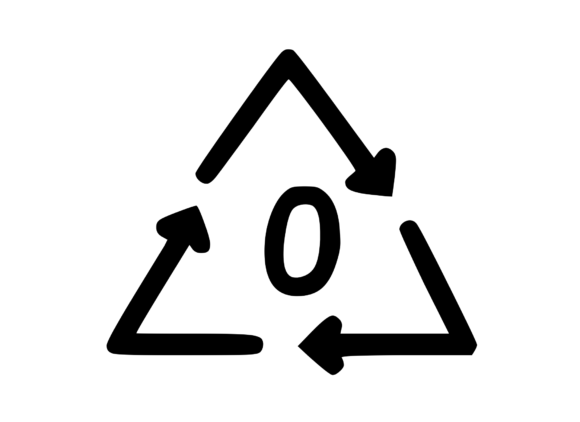
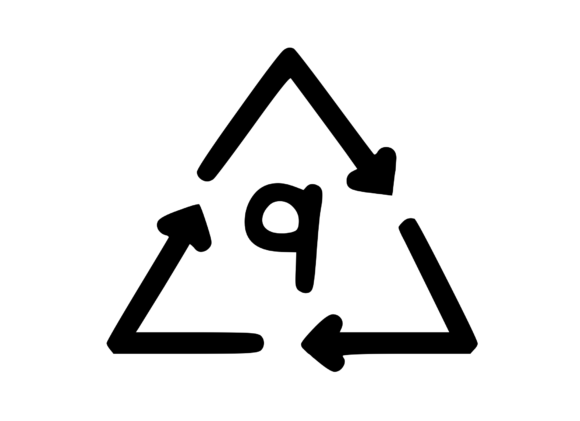
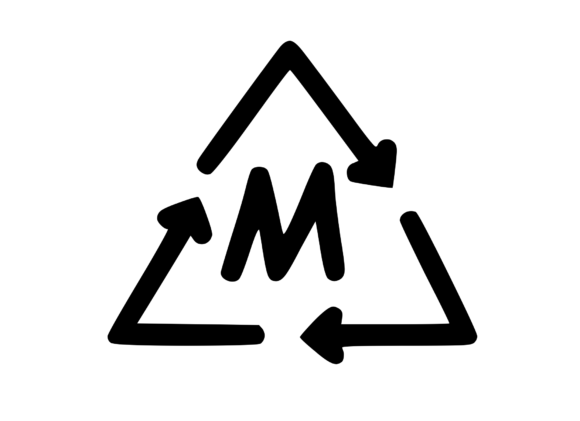
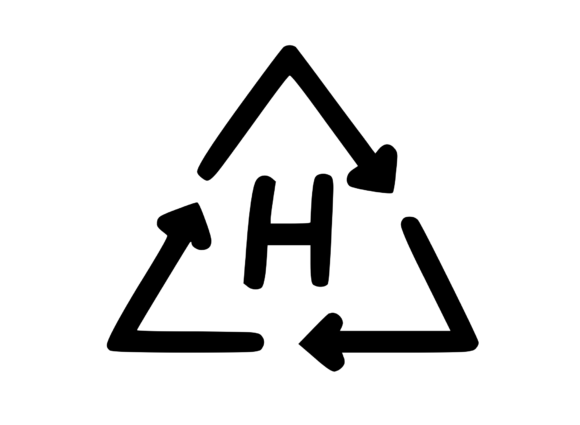
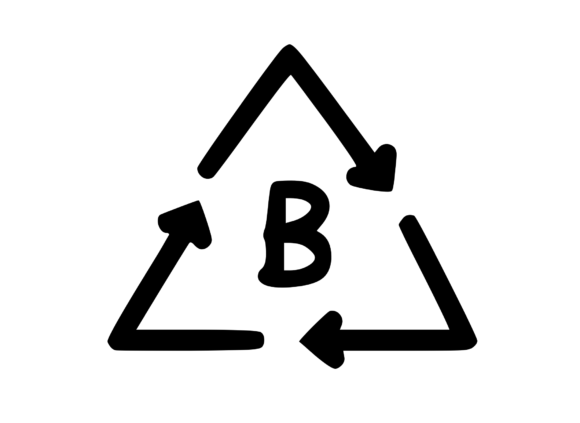
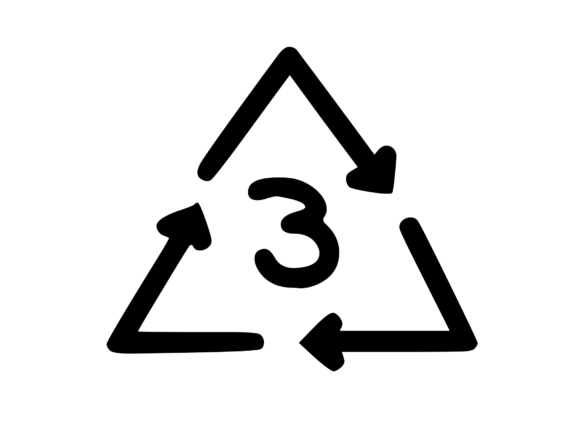
When I first opened the Recycle Symbol with Playful Mono 3 file, I was struck by how clean and intentional the layout feels. This is not one of those overly detailed machine embroidery design files that tries to do too much in a small space. The Recycle Symbol with Playful Mono 3 keeps the classic three-arrow loop structure intact while adding just enough playful character through the mono-weighted line work and slight curve embellishments. The mood is optimistic without being childish, and the visual personality lands somewhere between modern minimalist and approachable craft. As someone who has tested hundreds of embroidery file options for small shop production, I can tell you right away that this design belongs on products where you want the message to be clear and the stitching to hold up over time. It fits naturally into the Crafts category, but I see broader applications in Graphics for digital mockups and printed transfers as well.
Where This Design Shines in Real Embroidery Projects
I recently used the Recycle Symbol with Playful Mono 3 on a custom tote bag for a local eco-boutique, and the results confirmed what I suspected from the start. This design is built for custom apparel and handmade product lines where the message matters as much as the execution. On a medium-weight cotton tote, the stitch density felt balanced. The arrows read clearly from a few feet away, and the playful mono details added just enough texture to make the bag feel special rather than generic. I have also stitched this design onto a sweatshirt embroidery project for a client who runs a small zero-waste shop, and it worked beautifully on the chest area. The design holds its shape well on stable knits and woven fabrics, which makes it a strong candidate for baby embroidery items like onesies or bibs where parents want an eco-conscious message without overwhelming the garment.
Testing the Design on Different Fabric Types
For any embroidery project, I always test a new file on scrap fabric before committing to a finished product. With the Recycle Symbol with Playful Mono 3, I ran tests on cotton twill, linen, performance fleece, and a lightweight jersey knit. On cotton twill and linen, the design stayed crisp and the satin stitch elements maintained their edge definition. On the fleece, the playful mono lines sank in slightly, which actually gave the design a subtle dimensional look that I found appealing. The jersey knit required a stabilizer to prevent the fabric from tunneling around the denser areas, but once I adjusted the backing, the design stitched out cleanly. If you plan to use this for embroidered patch production, I recommend a medium-weight cutaway stabilizer to preserve the arrow shapes when the patch is trimmed and edged. The design does not rely on overly fine detail, so it tolerates fabric movement better than many applique design files I have tested.
What to Watch Out For Before You Stitch
No design is perfect for every situation, and the Recycle Symbol with Playful Mono 3 has a few considerations you should keep in mind before adding it to your production queue. Small hoop size applications can be tricky if you try to shrink the design too much. I tested it at about two inches wide on a cap, and the playful mono lines started to lose their definition. For caps and curved surfaces, I would keep the design at three inches or larger. On dark fabric, the thread color contrast becomes critical because the mono line work is relatively thin. I used a bright white or neon green thread to make the symbol pop, but a dark green or black thread on a dark background will make the design nearly invisible. Stretch fabric also requires attention. Use a tear-away stabilizer for stable fabrics and a cutaway for stretchy knits. I also noticed that the design includes some small interior gaps between the arrows that could become problematic on loosely woven fabrics if the stabilizer is not secure.
How This Design Impacts Your Product Value and Customer Trust
When you sell a handmade product that features the Recycle Symbol with Playful Mono 3, you are signaling to your customers that you care about quality and meaning. I have found that eco-themed embroidery designs tend to perform well in Etsy seller shops and at craft fairs because they give buyers a reason to connect emotionally with the item. A tote bag or pillow cover with a clean, well-stitched recycle symbol feels intentional rather than trendy. For small business merchandise, this design can serve as a subtle branding element for companies that emphasize sustainability. I worked with a print shop that used the design on apron embroidery for a cafe that sources local ingredients, and the owners reported that customers frequently commented on the detail. The visual appeal of a properly executed embroidery design builds customer trust because it shows that the maker paid attention to the finish.
Practical Embroidery Designer Notes for the Recycle Symbol
Before you start stitching the Recycle Symbol with Playful Mono 3, here are the notes I have collected from multiple test runs and client projects.
- Test on scrap fabric first. I cannot emphasize this enough. Every fabric behaves differently, and a quick test run will save you from ruining a personalized gift or a batch of handmade product inventory.
- Check thread color contrast. Because the design uses mono-weight line work, the thread color against the fabric background makes or breaks the visibility. Do a black-and-white mockup of the design before selecting your thread palette.
- Review stitch density. The design is not overly dense, but if you are stitching on thin fabric like a tea towel or lightweight baby embroidery item, use a lightweight stabilizer to avoid puckering.
- Confirm hoop size. Make sure your hoop can accommodate the design at the size you intend to stitch. The Recycle Symbol with Playful Mono 3 works best at medium to large hoop sizes where the arrow shapes can breathe.
- Inspect small details. Look at the interior corners where the arrows converge. These areas need clean fill stitch transitions to avoid thread buildup. If your machine tends to skip in tight corners, slow down the stitch speed for those sections.
- Test in black and white. Print the design in grayscale to see how the contrast holds up. This is especially useful if you plan to use the design for printable mockup files or design assets in your digital shop.
- Compare light and dark fabric backgrounds. Stitch one sample on white fabric and one on black or navy. This will tell you immediately if the design needs thread color adjustments for different product lines.
- Use proper stabilizer. For the Recycle Symbol with Playful Mono 3, medium-weight cutaway stabilizer works well for most fabrics. Tear-away is fine for dense wovens, but avoid using it on knits or stretch fabrics.
- Check licensing before selling. Because this design is offered as a digital embroidery file, confirm that your license allows commercial embroidery and finished product sales. Some files from this category allow unlimited commercial use, but you should verify before listing items on your Etsy seller account or at a craft fair.
- Store the design file properly. Keep the embroidery file in a labeled folder with notes about thread colors and stabilizer recommendations. This will save you time when you revisit the design for future orders.
Best Product Categories for This Embroidery Design
Based on my experience stitching the Recycle Symbol with Playful Mono 3 across multiple projects, here is where I think it delivers the strongest results for small shop product lines and craft business inventory.
- Tote bag design. The symbol looks natural on a canvas or cotton tote. Center it on the front or place it on a bottom corner for a subtle accent.
- Sweatshirt embroidery. Chest placement on a crewneck sweatshirt gives the design a clean, modern feel. Use a thread color that contrasts with the sweatshirt color.
- Embroidered patch. Stitch the design onto twill, trim close to the edge, and add a heat-seal backing. These patches sell well at eco-focused markets and online shops.
- Apron embroidery. For cafe aprons or kitchen aprons, the design works on the front pocket area or centered on the chest panel.
- Pillow cover. A linen or cotton pillow cover with the recycle symbol stitched on one side makes a thoughtful personalized gift or holiday gift for someone who values sustainability.
- Kitchen towel. The design fits nicely on a tea towel corner. Use a lightweight stabilizer and test the stitch density so the towel does not become stiff.
- Baby embroidery. A onesie or blanket with this symbol works for parents who want to introduce eco-awareness early. Keep the design size proportional to the garment.
- Commercial embroidery. If you run a commercial embroidery shop, this design is a solid addition to your catalog for clients in the environmental sector, local farms, and sustainable brands.
Final Thoughts on the Recycle Symbol with Playful Mono 3
The Recycle Symbol with Playful Mono 3 is a reliable, well-structured machine embroidery design that delivers on its promise. It is not overly complicated, which works in its favor for embroidery project production. The playful mono details add personality without compromising the clarity of the symbol. For Etsy seller shops, craft business owners, and creative entrepreneurs who want to offer eco-conscious merchandise, this design provides a strong foundation. Just remember to test your fabric and thread combinations, use the right stabilizer, and confirm your licensing before selling finished product items. If you take those steps, the Recycle Symbol with Playful Mono 3 will serve you well across custom apparel, handmade product lines, and personalized gift projects for years to come.