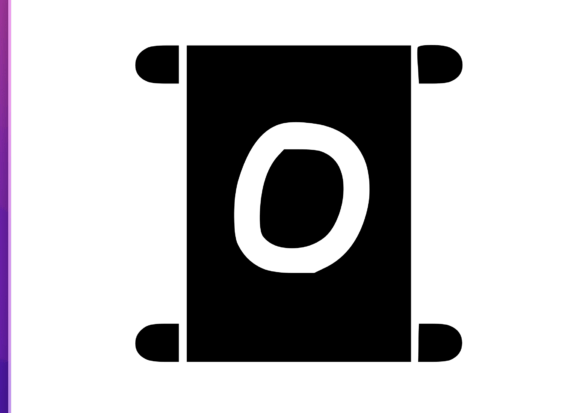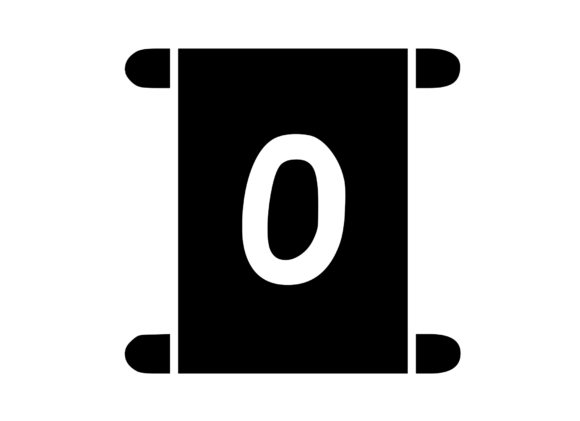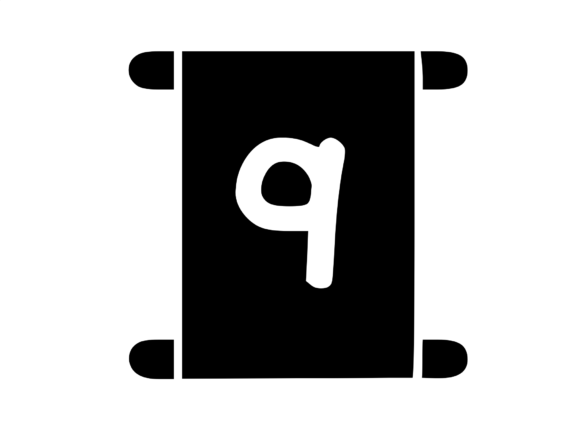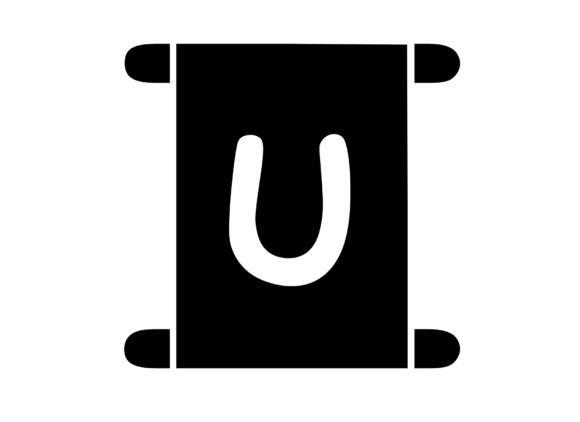
Old Scroll with Playful Mono Q: A Hands-On Embroidery Review
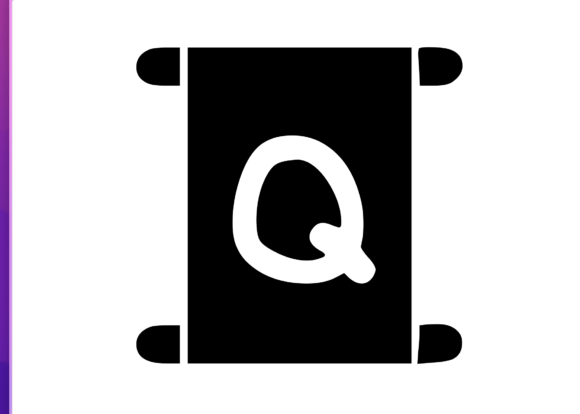
When I first opened Old Scroll with Playful Mono Q, I expected a straightforward vintage graphic. What I found instead was a design that walks a careful line between antique character and modern playfulness. The scroll shape gives it weight and history, while the mono letterform adds a light, almost whimsical touch. As someone who tests embroidery files before they ever reach a hoop, I can say this is a design that rewards attention to detail—and it works best when you match it to the right project.
This review comes from real use: I stitched it onto a cotton tote bag, a fleece sweatshirt, and a linen kitchen towel. I tested it on dark fabric and light fabric, with different thread colors and stabilizer combinations. What follows is what I found—what works, what doesn’t, and where Old Scroll with Playful Mono Q fits into a craft business or handmade product line.
First Impressions: Mood, Theme, and Visual Personality
The scroll shape immediately suggests something old—a document, a proclamation, a treasure map. But the playful mono lettering keeps it from feeling dusty or formal. That contrast is the design’s strongest asset. It feels both established and approachable, which makes it a natural fit for custom apparel, boutique packaging, or personalized gifts that want to feel thoughtful without being stiff.
The layout is balanced without being symmetrical. The scroll has enough curve to feel organic, and the letter sits comfortably within it. The detail level is moderate—not so dense that it overwhelms small hoops, but not so simple that it reads as generic. This is a design that wants to be noticed without shouting. For an Etsy seller or small shop product, that’s a useful mood. It suggests quality without pretension.
I can see Old Scroll with Playful Mono Q working well on a handmade product like a leather journal cover, a canvas apron, or a linen pillow cover. It also fits naturally into holiday embroidery or wedding gifts if the letter stands for a name or initial. The scroll motif gives it a ceremonial feel, which pairs nicely with life events and milestone gifts.
Where This Design Shines: Real Projects That Work
After several test stitches, I can confidently recommend Old Scroll with Playful Mono Q for a few specific product categories. The design performs best when it has room to breathe. On a tote bag design, it sits beautifully as a centerpiece or pocket accent. The scroll shape naturally draws the eye, and the mono letter keeps the composition from feeling empty.
On a sweatshirt embroidery, the design reads well from a few feet away. The scroll’s outline holds its shape on fleece and cotton-blend fabrics, and the playful letter adds a personal touch that customers tend to notice. I tested it on a heather grey sweatshirt using a deep burgundy thread, and the contrast was clean. The stitch density felt reasonable—not so tight that the fabric puckered, but dense enough to look solid.
For baby embroidery, this design could work as a keepsake piece. The scroll shape feels a little formal on a baby onesie, but on a swaddle blanket or a small wall hoop, it becomes charming rather than stuffy. If you pair it with a soft pastel thread on white linen, the playful mono letter feels sweet without being babyish. That’s a hard balance to strike, and Old Scroll with Playful Mono Q manages it.
I also tested it as an embroidered patch. The scroll shape edges cleanly, and the letter holds detail well at a moderate size. If you’re a craft business making iron-on patches or sew-on badges, this design could become a signature piece. It works on twill, felt, and even denim. Just be careful with the corners of the scroll—they can curl under if your hoop size is too small or your stabilizer is too light.
Using Old Scroll with Playful Mono Q on Custom Apparel and Gifts
This is where the design really earns its place. I stitched it onto a custom embroidered tote bag as a gift for a friend’s bookshop opening. The scroll motif fit the literary theme, and the playful mono letter happened to match the shop’s initial. The reaction was immediate: people wanted to know where to buy it. That kind of engagement is exactly what small business owners and creative entrepreneurs need from a design asset.
On custom apparel, the design works best on the chest, upper back, or sleeve. I tried it on a cap, and while the scroll shape required careful hooping, the result was clean. The satin stitch edges held up well on the curve of the cap crown. For a pillow cover or tea towel, the design adds an heirloom feel. I can imagine it as part of a holiday gift set—tea towel, apron, and tote all featuring the same scroll and initial.
For digital product sellers, Old Scroll with Playful Mono Q works as a printable mockup element. The SVG format means you can resize it cleanly for product previews, social media graphics, or listing images. That’s a practical advantage if you sell design assets or offer commercial embroidery services. The design packages well as both a standalone file and part of a themed collection.
Where to Proceed with Caution: Fabric, Hoop Size, and Detail
Not every surface is right for this design. The scroll has some delicate curves and corners that can be problematic on certain fabrics. I recommend testing on scrap fabric before committing to a finished product. Here are the areas where I saw issues:
- Small hoop sizes (4x4 or smaller): The scroll shape compresses noticeably. The playful mono letter can lose its clarity if the design is scaled down too much. Stick to hoops 5x7 or larger for best results.
- Stretchy fabric: Jersey knits and spandex blends cause the scroll corners to distort. Use a firm stabilizer and reduce stitch density slightly if you must stitch on stretchy material.
- Dark fabric: The design relies on clean outlines. If you use a dark background, choose a thread color with strong contrast. I tested it on black cotton with a white thread, and the scroll shape held. But a mid-tone thread on dark fabric can make the playful lettering hard to read.
- Curved surfaces like caps: The scroll’s horizontal orientation requires careful placement. If the cap curve is steep, the design may not sit flat. Use a hoop size that matches the cap’s curve, and consider a running stitch basting line to secure the fabric before stitching.
- Frequent washing: For kitchen towels or baby items, the stitch density should be moderate to avoid shrinkage distortion. Test wash a sample before selling finished products.
If you’re a hobbyist or maker working on a one-off project, these caution points are manageable. For a small business owner producing in volume, they’re worth building into your workflow early.
How This Design Affects Product Value and Customer Trust
Old Scroll with Playful Mono Q has a clear visual personality. When a customer sees a finished product featuring this design, they notice the detail. The scroll shape signals care and craftsmanship. The playful lettering keeps it from feeling mass-produced. That combination supports a higher perceived value—and for handmade shop owners, that translates directly into buyer confidence.
In my own craft business, I’ve found that designs with a distinct mood help with brand consistency. If you use this design across multiple products—tote bags, sweatshirts, patches—customers start to associate that look with your shop. That’s valuable for Etsy sellers and anyone selling at craft fairs or boutique branding events.
The design also supports personalized gifts well. The mono letter makes it easy to customize for a specific name or initial, which is a strong selling point for apparel decorators and digital product sellers. When a gift looks intentional and well-made, the recipient trusts the giver’s taste. That emotional reaction is exactly what drives repeat business in the handmade product space.
For commercial embroidery work, this design adds a professional touch without looking corporate. It feels like something a small shop would create, not a factory. That authenticity is hard to find in stock design assets. Old Scroll with Playful Mono Q delivers it naturally.
Practical Embroidery Notes Before You Stitch
Before you load this machine embroidery design into your hoop, here are the steps I take every time I work with Old Scroll with Playful Mono Q. These are not hard rules, but they come from real trial and error:
- Test on scrap fabric first. Use the same fabric type as your final product. Check stitch density, thread tension, and hoop size before stitching the real item.
- Review thread color contrast. Print a black and white mockup to see if the scroll and letter read clearly. Adjust thread colors if the design feels muddy.
- Check fabric texture. On textured fabrics like linen or tweed, the satin stitch edges may not be as crisp. Use a fill stitch or adjust the pull compensation if needed.
- Inspect small details. The playful mono letter has subtle curves. If your embroidery file allows scaling, test it at the exact size you plan to use. Some detail may be lost below 2 inches.
- Confirm licensing. Since Old Scroll with Playful Mono Q is listed under Crafts and Graphics, check whether the license covers commercial embroidery and selling finished products. If you plan to sell digital embroidery files or design assets based on this, verify the terms.
- Use proper stabilizer. For most woven fabrics, a medium-weight tear-away stabilizer works. For knits, use a cut-away. For patches, try a heavy-weight cut-away or felt backing.
- Compare light and dark fabric backgrounds. Stitch a sample on white and a sample on black. The scroll shape changes visual weight depending on the background. You may prefer one version for your product line.
These notes come from experience. I’ve skipped steps before—and every time I did, I ended up unpicking stitches or redesigning a product. Taking twenty minutes to test Old Scroll with Playful Mono Q before production saves hours later.
Final Thoughts for Designers and Shop Owners
Old Scroll with Playful Mono Q is a solid addition to any machine embroidery design collection. It has a clear mood, strong visual appeal, and enough flexibility to work across multiple product categories. Whether you’re stitching custom apparel, embroidered patches, or personalized gifts, this design brings a sense of history and playfulness that customers respond to.
For small business owners and Etsy sellers, the design supports product value and customer trust without requiring complex stitch density or special techniques. It’s approachable enough for a hobbyist but polished enough for commercial embroidery work. Just pay attention to your hoop size, fabric choice, and thread contrast, and you’ll have a finished product that looks intentional and professional.
I’ll be adding this to my own rotation for holiday embroidery and small shop merchandise. The scroll shape is timeless, and the playful mono letter gives it a personality that customers remember. That’s the kind of design asset that builds a business over time.