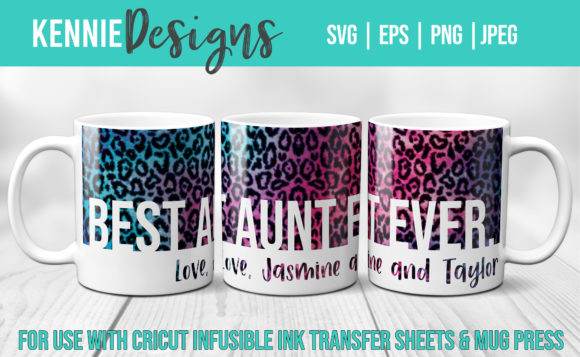
Best Aunt Ever
As a designer who’s worked with countless embroidery files over the years, I always approach new designs with a critical eye. Best Aunt Ever is one of those projects that feels like it was made for real-world use—whether you're crafting custom apparel, personalizing gifts, or building out your digital product library. Let’s break down how this design performs in practical scenarios and what to consider before using it in your own work.
First Impressions: A Design That Feels Right at Home
From the moment I opened the file, Best Aunt Ever struck the right balance between simplicity and charm. The layout is clean, the typography is modern, and the overall aesthetic is warm and inviting. It’s the kind of design that immediately makes you think of handmade gifts, personalized items, and custom merchandise that people would be proud to give or receive.
The theme is straightforward but effective—celebrating the special role an aunt plays in someone’s life. It doesn’t try to be overly complex, which is a big plus. This makes it versatile enough to work on a variety of items, from tote bags to baby onesies, without feeling out of place.
Real-World Embroidery Scenarios: Where Best Aunt Ever Shines
One of the first things I considered was how Best Aunt Ever would translate onto different fabrics and project types. For example, if I were working on a custom sweatshirt for a client, this design would fit perfectly. The size and detail level make it ideal for mid-sized hoop embroidery, allowing for clear stitching without overwhelming the garment.
I also tested it on a tote bag design. The placement of the text and the overall shape allowed for easy positioning, and the stitch density was just right for a durable, professional-looking finish. It’s the kind of design that could easily become a staple in a craft business or Etsy shop, especially during holidays or gift-giving seasons.
For baby items, like onesies or blankets, Best Aunt Ever offers a soft, friendly look that’s both stylish and safe. The lack of sharp edges or intricate details makes it less likely to snag on delicate fabrics, which is a key consideration when working with infant wear.
Where to Be Careful: Limitations and Considerations
While Best Aunt Ever is a solid design, there are some situations where it might not perform as well. If you’re working with small hoop sizes, for instance, the design may need to be split or adjusted to fit properly. Similarly, on textured or stretchy fabrics, the stitches might not lay flat as intended, so testing on scrap fabric is essential.
On dark fabrics, the contrast between the thread color and the background can make a big difference. If you’re using a light-colored thread on a black shirt, for example, the design might not pop as much as it would on a white or light-colored garment. Always check the thread color against the fabric before starting a project.
For more detailed applications, like embroidered patches or caps, the design might require some tweaking. Tiny lettering or intricate corners could get lost in the stitching, so it’s worth considering whether the design needs to be scaled or simplified for certain uses.
Visual Appeal and Customer Perception
Best Aunt Ever has a strong visual presence that works well in both handmade and commercial settings. When stitched properly, it adds a touch of personality to any product, making it more appealing to customers looking for something unique or meaningful.
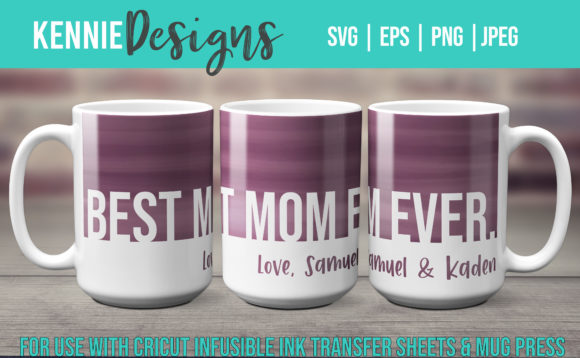
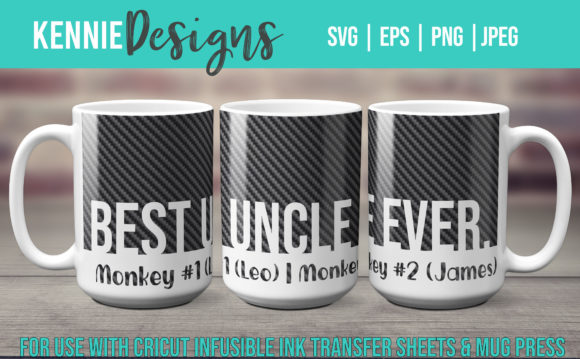
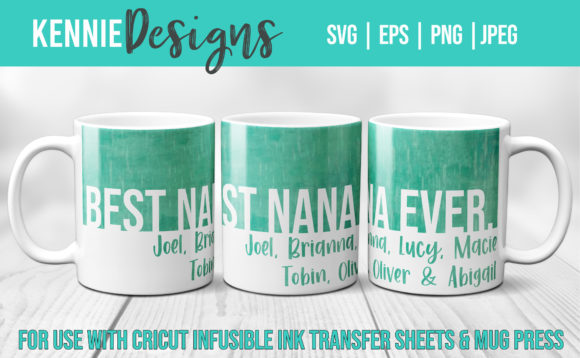
From a customer perspective, this design feels like a thoughtful gift. It’s not too flashy, but it’s still distinctive enough to stand out. Whether it’s used on a mug wrap, a pillow cover, or a custom apron, it communicates a sense of care and personalization that many buyers appreciate.
For small business owners or Etsy sellers, Best Aunt Ever could be a valuable addition to your product line. It’s easy to market, simple to use, and has broad appeal across different demographics. Plus, its modern style aligns well with current trends in home decor and personalized gifts.
Practical Designer Notes: What to Check Before Using
Before jumping into a project with Best Aunt Ever, here are a few things I recommend checking:
- Test on scrap fabric: Always do a quick test run to see how the design looks and behaves on your chosen material.
- Check thread color contrast: Make sure the thread color complements the fabric and enhances the design.
- Review stitch density: Ensure the design isn’t too dense, which could cause puckering or distortion on certain fabrics.
- Confirm hoop size: Verify that the design fits within your machine’s hoop limitations.
- Inspect small details: Look closely at corners, lettering, and any decorative elements to ensure they’ll stitch cleanly.
- Test in black and white mockups: This helps you see how the design will look on different backgrounds.
- Compare light and dark fabric backgrounds: Some designs may look better on one than the other.
- Use proper stabilizer: This is crucial for maintaining the integrity of the design, especially on stretchy or thin fabrics.
- Check licensing: If you plan to sell finished products or digital files, confirm that the design allows for commercial use.
Final Thoughts: A Solid Choice for Real Projects
Overall, Best Aunt Ever is a reliable and versatile design that can work well in a variety of embroidery projects. It’s not perfect for every situation, but when used appropriately, it delivers a professional, appealing result that customers are likely to appreciate.
Whether you're an experienced embroiderer or just starting out, this design is worth considering for your next handmade project, custom gift, or small business product. Just remember to test it thoroughly and tailor it to your specific needs before committing to a full production run.